Starting after 40
Is It Too Late to Start an Online Business at 50 or 60?
No. But the honest answer comes with three adjustments: choose paths that show results sooner, protect your savings, and watch out for offers built to prey on late starters.
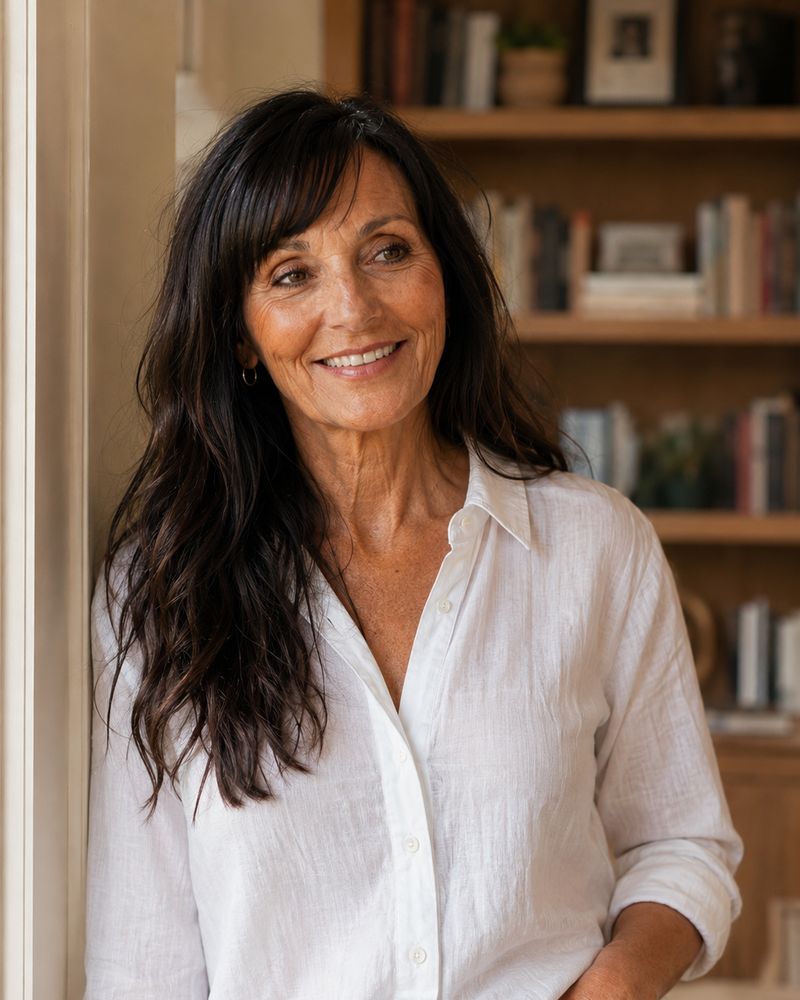 By Tina Alexander

No, it is not too late to start an online business at 50 or 60. The tools are easier to use than they have ever been, and the things they cannot supply, judgment, patience, trust and knowing what people need, are exactly what decades of life have given you. The honest version comes with three adjustments: choose paths that show results sooner, protect your savings, and be wary of offers designed to take advantage of late starters.
You are not too old. You are not too late.
Why this question feels so heavy
Most people asking it are not really asking about technology. They are asking whether it is foolish to start something new at this point in life. Whether people will take them seriously. Whether they have left it too long.
I understand that feeling. I started building online after 40, as a grandmother, alongside everything else in my life. The fear that it was too late did not go away because someone argued me out of it. It went away when I finished something and saw that it worked.
That is usually how it goes. Proof beats reassurance.
What has changed in your favor
For a long time, starting online meant learning to code, design or build websites, and that took years. That barrier is mostly gone.
AI tools now write first drafts, lay out designs and build simple apps from a plain description. You describe what you want and they do the technical part. What they cannot do is decide what is worth making, who it is for, or what a real person in a real situation needs. That judgment comes from experience, and you have more of it than someone half your age.
The skill that matters most now is knowing what to ask for. That is a life skill, not a tech skill.
What you bring that younger starters do not
- You have solved real problems. At work, at home, for your family. Those problems are what people pay to have solved.
- You know how to talk to people. Explaining, listening, calming, persuading. That is most of what selling actually is.
- You are patient. You have seen that most good things take longer than they should, and you are less likely to quit in week three.
- You understand your own generation. People in their 50s and 60s often trust someone who has lived what they are living. You do not have to pretend to be younger to reach them.
Adjustment one: choose paths that show results sooner
If you are starting at 55 or 60, a plan that takes five years to show anything is a harder bet than it would be at 30. So lean toward paths where you find out quickly whether something works.
A small digital product can sell in its first few weeks. A book on Amazon KDP can be published in days. Both tell you fast whether you are on the right track. A blog is still worth doing, but go in knowing it usually takes 6 to 18 months before it feels like income, and pair it with something quicker.
If you are not sure where to start, find your first idea in the questions people already ask you.
Adjustment two: protect your savings
Starting online does not need to cost much. Many first steps are free or close to it, and you should not need to spend retirement savings to find out whether an idea works.
A simple rule: spend small until something sells. Pay for tools when a real problem needs one, not because a video says you should have it. If an idea only works after a large upfront investment, it is the wrong first idea.
Adjustment three: be careful who you listen to
Late starters are a target. There are offers built specifically around the fear of having left it too late, and they tend to look alike: big income promises, countdown timers, pressure to decide today, and very little detail about what you actually get.
A trustworthy offer tells you plainly what is inside, what it costs including any ongoing costs, and does not promise what you will earn. If someone is selling you urgency more than substance, walk away. The opportunity will still be there tomorrow, and so will you.
What starting actually looks like
Not a reinvention. One small thing.
Pick one path. Make the smallest finished version of something someone can buy or join. Work on it in a few short, fixed sessions a week, the way I described in how to find time to build a business around a full-time job. Finish it, share it with the people it helps, and learn from what happens.
Everything in starting an online business after 40 applies at 50, 60 and beyond. The steps do not change with age. Only the stories you bring to them do, and yours are an advantage.
Questions people ask about this
Am I too old to learn the technology?
No. The tools are built to be used by describing what you want in plain words. If you can write an email, you can work with them.
Will people take me seriously starting this late?
The people you are best placed to help will often take you more seriously because of your age, not less. Experience is something they are looking for.
How much money do I need to start?
Very little for most first steps. Publishing on Amazon KDP has no upfront fee, and many design and AI tools have free versions. Start small and spend only when something is working.
Is it worth starting if I only have a few working years left?
Many people start online businesses to have something of their own that continues into retirement, at their own pace. A business you build now does not have to end when a job does.
Where can I find others starting at the same stage?
Digital Business After 40 is my free community for people building online after 40. You will not be the oldest person there, and you will not be the only one starting.