Building a free community
How to Start a Free Skool Community After 40 (With Zero Members)
Starting a free Skool community after 40? Here is the exact setup, what to post before anyone joins, and where the first five members actually come from.
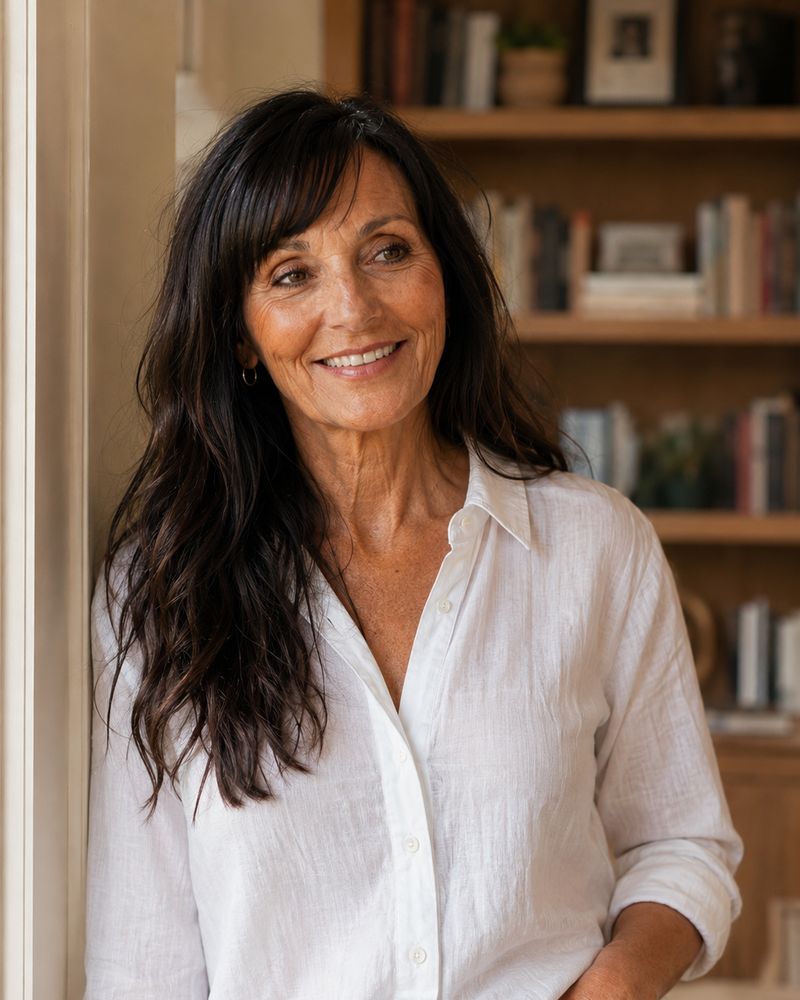 By Tina Alexander

I started building my online business at 57. When I opened my free Skool community, I did everything I thought you were supposed to do. I wrote a welcome post. I set up the classroom. I announced it.
Then nothing happened.
If you are sitting in front of an empty community right now, wondering if you made a mistake, this is for you.
Here is the short answer. To start a free Skool community, pick one specific person it is for, set it up in an afternoon, post three things before anyone arrives, and invite five people who already ask you questions. Then keep showing up through the quiet weeks. You do not need a big audience. You need a small room that feels lived-in, and a reason for the first few people to talk.
That is it. Everything below is the detail.
If you are still wondering whether a community is worth the effort, read why nobody is seeing your online business. Having a room of my own, even an empty one, is what changed how other community owners saw me.
Key Takeaways
- The number that matters at the start is 5 members, not 500.
- A community for “everyone” feels like a community for no one. Narrow wins.
- Post three things before anyone joins so the room never looks empty.
- Your first members are people who already ask you things.
- Asking questions gets replies. Announcements get silence.
Why does an empty community feel so much worse than it is?
Because it feels personal. It is not.
When I launched mine, the silence felt like a verdict. Like everyone had looked and decided no. What was really happening is much more boring. Hardly anyone knew it existed yet, and the few who did were reading quietly.
That quiet reading is normal. Usability researcher Jakob Nielsen described it back in 2006 as the 90-9-1 rule: in most online communities, about 90% of people only read, 9% contribute now and then, and 1% do most of the posting. Your community is not broken because people are lurking. Lurking is how most people start.
Here is the good news for small rooms. Community platform Higher Logic looked at participation across its own customer communities and found that in communities under 5,000 members, about 33% of people posted or contributed. That is roughly three times the old rule. Small communities are more chatty, not less, because people can see that their words actually land somewhere.
So stop measuring yourself against the big communities with thousands of members. The number that matters right now is five. Five people who show up and say something. That is a real community, and it is completely within reach.
Who is your free community actually for?
This is the step I see people rush, and it is the one that decides everything else.
“A community for people who want to grow” is not a community. It is a lobby. Nobody knows if they belong, so nobody stays.
Pick one person. Not a demographic. A person. How old are they? What have they already tried? What are they tired of hearing? What would make them sigh with relief?
For me, it is people over 40 who want to build something online with AI, and who are tired of feeling like the internet was built for 25-year-olds. That is specific enough that the right person reads my About section and thinks, “Oh. That’s me.”
This matters more after 40 than we like to admit. AARP’s 2025 loneliness study surveyed over 3,200 adults aged 45 and older and found 40% report being lonely, up from 35% in 2010 and 2018. The same research found fewer people are joining local groups, volunteering, or attending services. People our age want a place to belong. They are not finding it by accident.
Your free community can be that place. But only if it is clearly for someone.
If you are still deciding what your community should be about, start with my guide to finding your first online business idea. Your community topic and your business idea are usually the same thing.
How do you set up a Skool community in one afternoon?
You do not need a week. You need one sitting. Here is all it takes to open the doors.
Name. Say who it is for and what they get. Clear beats clever. Mine is Digital Business After 40. You know exactly who belongs.
About section. Three short parts. Who it is for. What happens inside. What they get for joining. Write it like you are explaining it to a friend at the pub, not writing a sales page.
One category. Skool lets you create lots of post categories. Do not. Start with one or two, like “General” and “Wins.” Ten empty categories make a small room feel even emptier.
A cover image and your photo. People join people. Let them see your face.
Set it to free. Members join at no cost. On the owner side, Skool’s entry Hobby plan runs $9 a month at the time of writing, so check their current pricing page before you sign up.
That is your setup. Everything else, the classroom, the calendar, the extras, can come later. I built my classroom out over months, not in the first afternoon.
If finding even one afternoon feels impossible right now, read how to find time to build a business first. It will help.
What should you post before anyone joins?
Here is the trick nobody told me. Your first visitor should never walk into an empty room.
Before you invite a single person, publish these three posts.
1. A real welcome post. Not “Welcome to the community!” Tell them who you are, why you built this, and one thing about you they would not guess. Pin it.
2. A “start here” post. One clear first step for a new member. Something small they can do in five minutes. Introduce themselves with one specific question to answer, or grab one resource.
3. A question post. One easy question anyone can answer in a sentence. “What made you want to start something online after 40?” or “What is one thing you are tired of hearing about business?” Answer it yourself first, in the comments, so it is not blank.
Now the room looks lived-in. The first person who arrives sees a host, a path, and a conversation already started.
Where do your first five members come from?
Not from strangers. From people who already ask you things.
Think about it. Who messages you with questions? Who comments on your posts? Who has said “you should teach this” at some point? That is your list.
Write down ten names. Then send each one a short, personal message. Not a broadcast. Something like: “I just opened a small free community for people over 40 building online. I thought of you because of the question you asked me a while back. Want to come in and tell me what you would want from it?”
Asking for their opinion works better than asking them to join. People love being asked what they think.
Facebook is a good place to look, too. Pew Research’s 2025 survey found 71% of U.S. adults use Facebook, and YouTube and Facebook are the only platforms a majority of every age group uses. Your people are there. You are not trying to reach them with ads. You are talking to the ones already talking to you.
If you have a blog, Pinterest is another quiet way in. I explained how to use Pinterest for blog traffic, and every post you pin can end with an invitation to your community.
What do you do the week nobody says anything?
This part is the story I promised.
My first two weeks were quiet. I posted. I announced. I posted again. Mostly silence. I started wondering if I had built something no one wanted.
Then one member replied. Just one. And I noticed something about the post she answered. It was not an announcement. It was a question.
That changed how I show up. I stopped announcing things and started asking things. “What are you stuck on this week?” “What would you build if you knew it would work?” “What does your family think you are doing on the computer all day?”
Announcements tell people to watch. Questions invite them to talk.
So here is what to do in a quiet week:
- Post one question a day, and answer it yourself first.
- Reply to every comment, fast and warmly. That first reply teaches people you are really there.
- Message one member directly and ask how they are getting on.
- Keep showing up. Quiet is not a verdict. It is a warm-up.
If you would rather not write the questions yourself, I made Your First 30 Community Questions. Thirty easy questions written for your topic, three messages for quiet members, and a month of posts filled in before you close the tab.
What would I not do again?
A few things I would skip if I were starting over.
Announcing instead of asking. I already told you this one. It cost me weeks of silence I did not need to have.
Building everything before inviting anyone. It is tempting to perfect the classroom, the categories, the welcome video. Your first members do not need a finished building. They need a host who is paying attention.
Measuring myself against big communities. Comparing your first month to someone’s fifth year will make you quit. Compare yourself to last week.
Waiting until I felt ready. At 57, I could have told myself I was too late to start. I was not. You are not either. Our age is our advantage here. We know how to host. We know how to make people feel welcome. We have spent decades doing it at kitchen tables and in community halls and at work. A community is just that, online.
How to start a free Skool community, step by step
- Write one sentence about who it is for. If a stranger reads it and cannot tell if they belong, make it narrower.
- Open Skool and set up the basics in one sitting. Name, About section, one or two categories, your photo.
- Publish your three posts. Welcome, start here, and one easy question you answer yourself.
- Write down ten people who already ask you things. Message each one personally and ask for their opinion.
- Post one question a day for two weeks. Reply to every comment.
- Celebrate member five. Seriously. That is a community.
If you would like someone to hand you the next step each day, I made a free app for exactly this. It is called Your Skool Community in 30 Days. One small task a day, each with a copy-and-paste AI prompt, so you are never staring at a blank screen.
Questions people ask about this
Can you start a Skool community with no audience?
Yes. You do not need followers to start. You need five people who already know you, and a room that feels lived-in when they arrive. Post three things before inviting anyone, then message people personally. Most communities start with a handful of members and grow from real conversations, not big launches.
Should my community be free or paid?
Start free. A free community lets people get to know you with no risk, and it gives you a place to learn what they actually need. You can add a paid tier later, once you know what people will value. Charging from day one makes the empty room harder to fill.
What if nobody posts in my community?
That is normal at first. Most people read before they post. Switch from announcements to simple questions, answer them yourself first, and reply to every comment quickly. Message quiet members directly and ask what they would like to see. Conversation usually starts with one person, then spreads. These 30 community questions give you a month of them, ready to post.
How many members do I need before it feels like a real community?
Five active people is enough to feel real. Research on community participation shows small communities tend to have a higher share of people posting than big ones. Focus on five people who show up and talk, not on a large number who joined and disappeared.
Is a free community better than an email list?
They do different jobs. An email list lets you reach people. A community lets people reach each other, which builds belonging and trust faster. Many creators use both. If you only have energy for one right now, pick the one where you enjoy showing up, because consistency matters most.
You are not too late to host the room
Remember that empty room from the start? Every community you admire began exactly like that. One person, posting into the quiet, hoping someone would answer.
You already know how to do this. You have hosted dinners, run meetings, raised families, welcomed new people at work. After 40, you know how to make someone feel seen. That is the whole job.
So open the doors. Post the question. Answer it yourself. Then wait for the first reply.
It is coming. Keep showing up.
Want to see a free community that is already running? Come see mine, Digital Business After 40. It is full of people who started exactly where you are.